
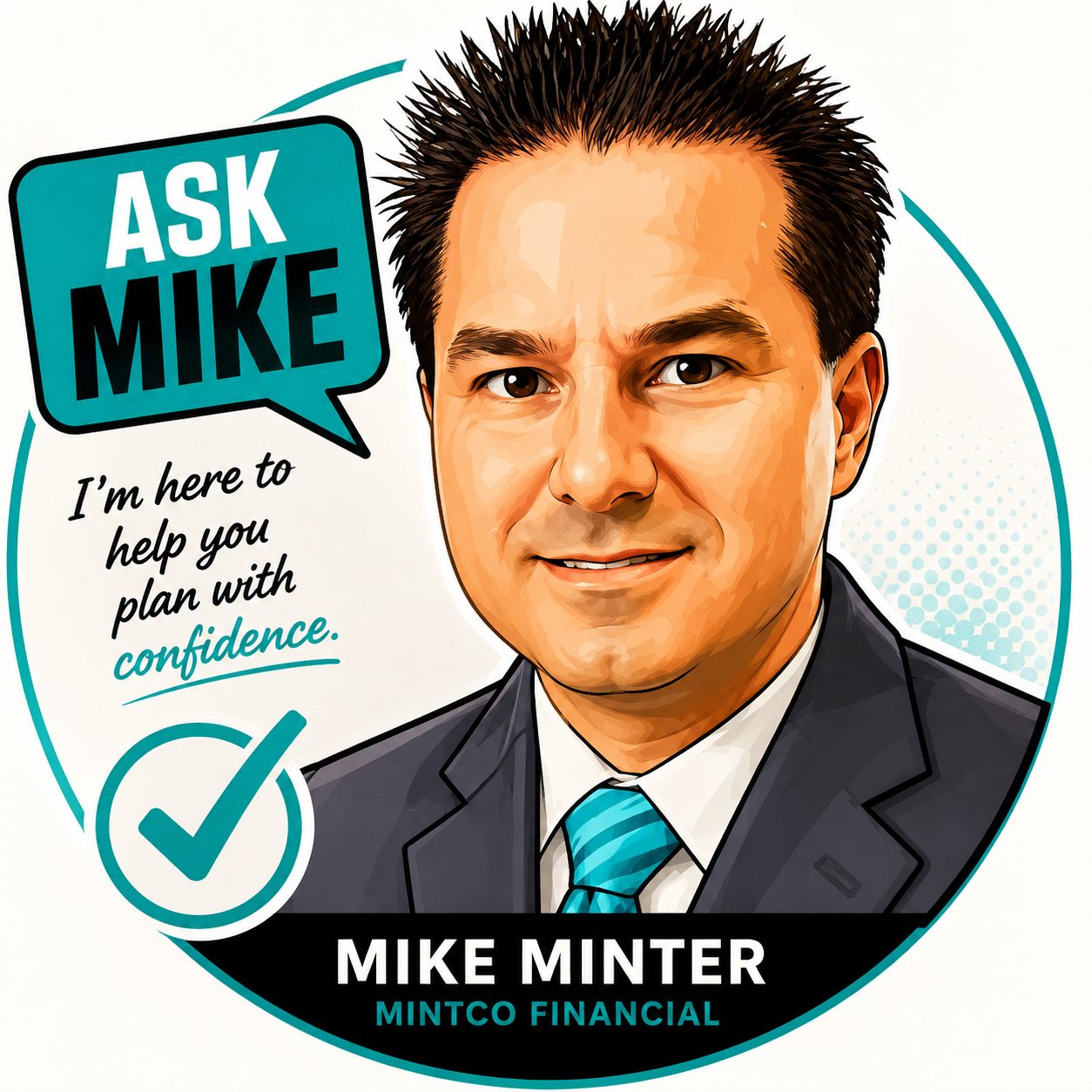
Ask Mike: Retirement Planning in South Carolina
South Carolina attracts retirees with its warm climate, coastal communities, mountain towns, and generally retirement-friendly tax provisions. But choosing where to retire is only the beginning. A strong retirement plan should coordinate income, investments, taxes, Social Security, Medicare, insurance, estate planning, and the possibility of future healthcare expenses.
In this edition of Ask Mike, Mike Minter of Mintco Financial answers common questions about retiring in South Carolina, including state taxes, Social Security, IRA withdrawals, Roth conversions, required minimum distributions, annuities, Medicare premiums, and creating reliable income throughout retirement.
Planning to Retire in South Carolina?
Ask Mike about retirement income, Social Security, taxes, Roth conversions, annuities, Medicare, investments, and protecting your family.
Visit
www.MintcoFinancial.com
Is South Carolina a Good State for Retirement?
Mike: South Carolina can be attractive for retirees who want warmer weather, access to beaches or mountains, and a lower cost of living than many large metropolitan areas in the Northeast. Popular retirement destinations include Myrtle Beach, Hilton Head Island, Bluffton, Charleston, Greenville, Columbia, Rock Hill, and communities near Lake Murray.
However, no state is perfect for everyone. Before moving, compare property taxes, homeowners insurance, healthcare access, housing prices, community fees, transportation, hurricane exposure near the coast, and proximity to family.
Does South Carolina Tax Social Security Benefits?
Mike: South Carolina does not tax Social Security retirement benefits at the state level. This can be helpful for retirees who rely heavily on Social Security for monthly income.
Federal tax rules are separate. Depending on your combined income and filing status, a portion of your Social Security benefits may still be included in federal taxable income.
Your Social Security Decision Affects More Than One Check
The age you claim benefits can affect lifetime income, survivor benefits, taxes, investment withdrawals, and how much pressure is placed on your retirement portfolio.
Does South Carolina Tax IRA and 401(k) Withdrawals?
Mike: Withdrawals from traditional IRAs, 401(k)s, 403(b)s, and similar tax-deferred retirement accounts may be included in South Carolina taxable income, although eligible retirement deductions may reduce the amount subject to state tax.
Federal income taxes may also apply. Large withdrawals can increase your federal tax bracket, affect the taxation of Social Security, and potentially increase future Medicare premiums.
What Retirement Income Deductions Are Available in South Carolina?
Mike: South Carolina offers certain retirement-related deductions. The amount available can depend on age, income type, and current state rules.
Residents age 65 or older may qualify for an additional deduction against South Carolina taxable income. Retirement-income deductions may also be available, but they should be calculated carefully because certain deductions can interact with one another.
Because tax laws and forms can change, work with a qualified South Carolina tax professional before relying on a particular deduction.
When Should I Claim Social Security?
Mike: Social Security retirement benefits may generally begin as early as age 62. Waiting longer can increase the monthly benefit, up to age 70.
The right age depends on your health, family longevity, marital status, employment, pension income, investment assets, survivor needs, and whether you can comfortably delay benefits.
A married couple should evaluate both spouses together. The decision is not only about maximizing one person’s check; it may also affect the benefit available to a surviving spouse.
What Are Required Minimum Distributions?
Mike: Required minimum distributions, commonly known as RMDs, are mandatory withdrawals that generally begin from traditional IRAs and many employer retirement plans at the applicable federal starting age.
For many current retirees, RMDs begin at age 73. Traditional IRAs, SEP IRAs, and SIMPLE IRAs are generally subject to the rules. Roth IRA owners generally do not have lifetime RMDs from their own Roth IRAs.
RMDs can increase taxable income even when you do not need the money for expenses. Planning before RMD age may create more flexibility.
Should I Consider a Roth Conversion?
Mike: A Roth conversion transfers money from a pretax retirement account into a Roth account. The taxable amount converted is generally added to federal income in the year of conversion and may also affect South Carolina taxable income.
A conversion might be considered during a lower-income year, before RMDs begin, after retirement but before Social Security starts, or when future tax rates are expected to be higher.
Converting too much at once can create problems. It may increase federal taxes, reduce certain deductions, increase taxable Social Security, or lead to higher Medicare premiums in a future year.
Before Completing a Roth Conversion, Ask:
- What federal and state tax brackets apply?
- Can the taxes be paid from assets outside the IRA?
- Will Medicare premiums be affected?
- When will the converted funds be needed?
- Would several smaller conversions be more manageable?
- How could the conversion affect a spouse or heirs?
Can Retirement Income Increase Medicare Costs?
Mike: Yes. Higher-income Medicare beneficiaries may pay additional amounts for Medicare Part B and Part D through IRMAA.
Income from large IRA withdrawals, Roth conversions, capital gains, business sales, and other taxable events can affect Medicare premiums. This additional cost commonly appears later because Medicare generally reviews income from an earlier tax year.
A good retirement plan should estimate both the tax cost and the possible Medicare impact before completing a large transaction.
Do You Have a South Carolina Retirement Question?
Ask Mike to help you review retirement income, investments, Social Security, Roth conversions, annuities, taxes, Medicare, and legacy planning.
How Should I Create Retirement Income?
Mike: A retirement-income plan should identify which expenses must be covered, which income sources are guaranteed, and which assets will be used for flexible spending.
Common income sources may include:
- Social Security benefits
- Pensions
- IRA and 401(k) withdrawals
- Interest and dividends
- Rental or business income
- Annuity income
- Part-time employment
- Taxable brokerage accounts
The goal is not simply to generate the highest possible income. The plan should also consider inflation, taxes, market declines, healthcare expenses, longevity, and leaving assets to family.
What Is Sequence-of-Returns Risk?
Mike: Sequence-of-returns risk is the danger of experiencing major investment losses early in retirement while also withdrawing money from the portfolio.
A retiree who sells investments during a market decline may permanently reduce the amount available for future recovery. This is why retirement portfolios often include cash reserves, bonds, guaranteed-income sources, or other assets that may reduce the need to sell stocks during a downturn.
Could an Annuity Be Part of a South Carolina Retirement Plan?
Mike: An annuity may be considered when someone wants guaranteed interest, principal protection, or a contractual stream of retirement income.
Common types include MYGAs, traditional fixed annuities, fixed indexed annuities, immediate annuities, deferred income annuities, and variable annuities.
Annuities are not all the same. Before purchasing, review the insurer’s financial strength, fees, surrender period, income provisions, withdrawal rules, death benefits, and how the product fits with your other assets.
What Is a MYGA?
Mike: A Multi-Year Guaranteed Annuity provides a fixed interest rate for a selected contract period, such as three, five, seven, or ten years.
Interest generally accumulates tax-deferred while it remains in the contract. However, MYGAs may include surrender charges and limits on penalty-free withdrawals, so they are generally better suited for money that will not be needed immediately.
Should I Keep an Emergency Fund in Retirement?
Mike: Yes. Retirees need liquid savings for home repairs, medical costs, insurance deductibles, vehicle expenses, travel, and other unexpected needs.
Placing too much money into long-term investments or contracts with surrender charges can make it difficult to respond to emergencies. Liquidity should be planned before committing assets to an annuity or another long-term strategy.
How Much Should I Withdraw Each Year?
Mike: There is no withdrawal percentage that is safe for every retiree. The sustainable amount depends on retirement age, life expectancy, portfolio allocation, market conditions, inflation, pensions, Social Security, and spending flexibility.
Some retirees use a fixed percentage. Others use guardrails that increase or reduce withdrawals depending on portfolio performance. The strategy should be reviewed regularly rather than placed on autopilot.
How Should I Plan for Long-Term Care?
Mike: Long-term care can become one of the largest expenses in retirement. Planning options may include personal savings, traditional long-term-care insurance, hybrid life and long-term-care policies, annuity-based benefits, family support, or a combination of resources.
The right approach depends on health, age, assets, family circumstances, and the type of care you would prefer to receive.
Does South Carolina Have an Estate or Inheritance Tax?
Mike: South Carolina does not currently impose a separate state estate tax or inheritance tax. However, federal estate-tax rules may apply to larger estates, and inherited retirement accounts may create income-tax obligations for beneficiaries.
Estate planning should also address wills, trusts, powers of attorney, healthcare directives, beneficiary designations, property ownership, and probate—not only estate taxes.
Should I Move to South Carolina Before or After Retirement?
Mike: Moving before retirement can provide time to test the community, establish healthcare providers, learn local expenses, and determine whether the lifestyle is a good fit.
Moving after retirement may provide more flexibility, but it can also be stressful if housing, insurance, or healthcare decisions are rushed. Consider renting temporarily before buying, especially when moving to an unfamiliar coastal or resort community.
What Should a Complete Retirement Plan Include?
Mike: A strong retirement plan should coordinate:
- Monthly living expenses
- Social Security claiming decisions
- Pensions and guaranteed income
- IRA and retirement-plan withdrawals
- South Carolina and federal taxes
- Roth conversion opportunities
- Required minimum distributions
- Medicare and healthcare expenses
- Investment risk
- Emergency savings
- Long-term-care planning
- Life insurance and survivor protection
- Estate and beneficiary planning
Retirement planning is not a one-time event. Your plan should be reviewed as tax laws, markets, health, family circumstances, and spending needs change.
Ask Mike About Your South Carolina Retirement Plan
Have questions about retirement income, Social Security, taxes, Roth conversions, Medicare, annuities, investments, or protecting your family? Submit your question or schedule a conversation with Mintco Financial.
Personalized guidance. No pressure. Request a conversation through our Contact Us page.
Important disclosure: This material is provided for general educational purposes and is not intended as individualized investment, insurance, legal, accounting, or tax advice. Tax laws, retirement rules, deductions, product availability, and insurance features may change. Consult qualified tax and legal professionals before acting on tax or estate-planning information. Annuity and insurance guarantees are based on the claims-paying ability of the issuing insurance company.